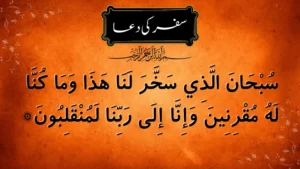
Inna Lillahi wa Inna Ilayhi Rajiun means: ‘Indeed, we belong to Allah, and indeed, to Him we will return.’ It is recited from Surah Al-Baqarah (2:156) on hearing news of death or loss. Below is the dua in Arabic, its Urdu meaning, its English translation, and respectful condolence messages in English and Roman Urdu.
Arabic: إِنَّا لِلّٰهِ وَإِنَّا إِلَيْهِ رَاجِعُونَ
Urdu: ہم اللہ ہی کے ہیں اور ہمیں اسی کی طرف لوٹ کر جانا ہے
English: Indeed, we belong to Allah, and indeed, to Him we will return.
In Roman Urdu, this dua is commonly spelled as innalillahi or inalillahi, and in full as inalillahi wainailaihi rajiun or innalillahiwainnailaihirojiun.
Inna Lillahi wa Inna Ilayhi Rajiun in Arabic

إِنَّا لِلّٰهِ وَإِنَّا إِلَيْهِ رَاجِعُونَ
This phrase comes directly from the Qur’an (Surah AlBaqarah 2:156) and is recited when hearing news of death, loss, or any major hardship.
Inna Lillahi Meaning in Urdu
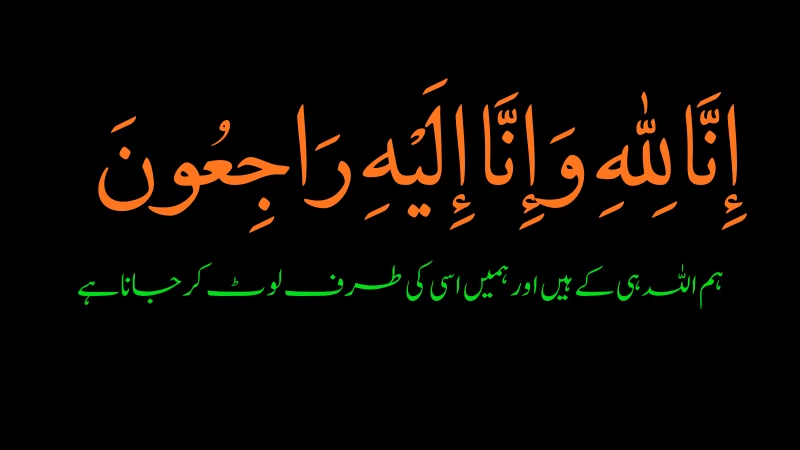
ہم اللہ ہی کے ہیں اور ہمیں اسی کی طرف لوٹ کر جانا ہے
یہ جملہ صبر، عاجزی اور اللہ کی رضا پر راضی رہنے کا اظہار ہے، خاص طور پر کسی کے انتقال کی خبر سننے پر۔
Inna Lillahi in English

“Indeed, we belong to Allah, and indeed, to Him we will return.”
This meaning reminds us that life, death, and everything in between is under Allah’s control. For more, see Allah quotes in Urdu.
Inteqal Ki Dua (in Urdu and English)
When someone passes away, Muslims make dua not only with words of sympathy but also by asking Allah for mercy.

اللّٰهُمَّ اغْفِرْ لَهُ وَارْحَمْهُ
Urdu Meaning:
اے اللہ! مرحوم کو بخش دے اور اس پر رحم فرما۔
English Meaning: O Allah, forgive the deceased and have mercy on him.
اللَّهُمَّ اغْفِرْ لِحَيِّنَا وَمَيِّتِنَا
Urdu Meaning:
اے اللہ بخش دے ہمارے زندہ اور مردہ کو
English Meaning: O Allah, forgive our living and our dead.
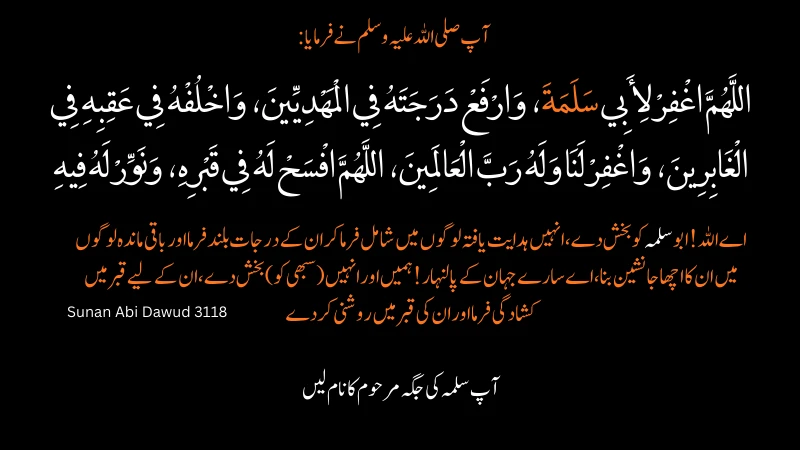
- Urdu: اے اللہ، اس کی مغفرت فرما، ان پر رحم کر، انہیں عافیت دے اور ان کے گناہوں کو معاف فرما۔
- Roman Urdu: Ay Allah, is ki maghfirat farma, in par raham kar, inhein aafiyat de aur in ke gunahon ko maaf farma.
These short dua (Prayers) are easy to remember and carries great rewards. For more duas, see dua quotes in Urdu.
Condolence Messages
People often share this phrase as a message when offering condolences. Here are a few respectful examples:
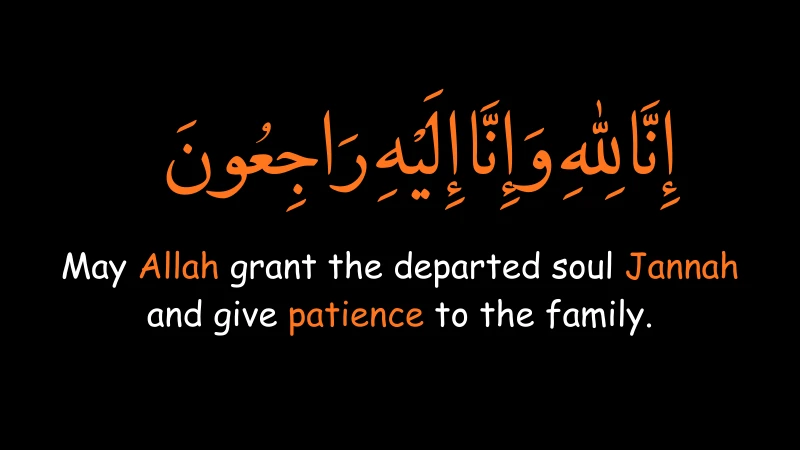
- Inna Lillahi wa Inna Ilayhi Rajiun. May Allah grant the departed soul Jannah and give patience to the family.
- May Allah forgive the deceased and reward them with eternal peace. Ameen.
- English: Inna Lillahi wa Inna Ilayhi Rajiun. My deepest condolences to you and your family. May Allah grant the deceased a high place in Jannah and give you all strength.
- Roman Urdu: Inna Lillahi wa Inna Ilayhi Rajiun. Aap se aur aap ki family se dilli ta’ziyat karte hain. Allah marhoom ko Jannat-ul-Firdous mein jagah ata farmaye aur aap sab ko sabr-e-jameel de.
- English: Inna Lillahi wa Inna Ilayhi Rajiun. Losing a parent is an irreplaceable loss. May Allah (SWT) forgive their shortcomings, illuminate their grave, and reunite you with them in Paradise.
- Roman Urdu: Inna Lillahi wa Inna Ilayhi Rajiun. Maa baap ka saya sar se uthna bohat bara sadma hai. Allah Pak un ki maghfirat farmaye, un ki qabr ko roshan kare aur aap ko is mushkil waqt mein himmat de.
- English: Inna Lillahi wa Inna Ilayhi Rajiun. I am heartbroken to hear the news. Please know that I am here for you. May Allah wrap His mercy around you and your family during this difficult time.
- Roman Urdu: Inna Lillahi wa Inna Ilayhi Rajiun. Ye sun kar bohat dukh hua. Hum is gham mein aap ke saath hain. Allah Pak aap ke ghar walon par apni rehmat farmaye aur sukoon ata farmaye.
Dua for Condolences
When consoling the family of the deceased, these duas are often recited:
- Arabic: إنَّ للهِ ما أخَذ، وله ما أعْطى، وكُلُّ شيءٍ عِندَه بأجَلٍ مُسَمًّى فَلْتَصْبِرْ ولْتَحْتَسِبْ
- English: “To Allah belongs what He takes, and to Him belongs what He gives, and everything has an appointed time with Him. So be patient and hope for reward.”
- Arabic: اللهمَّ اغْفِرْ لَهُ وَارْحَمْهُ وَعَافِهِ وَاعْفُ عَنْهُ
- English: “O Allah, forgive him/her, have mercy upon him/her, grant him/her peace, and pardon him/her.”
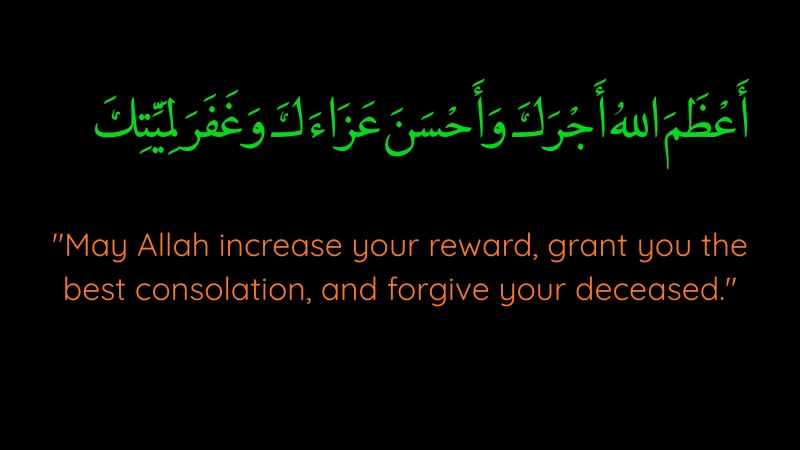
- Arabic: أَعْظَمَ اللهُ أَجْرَكَ وَأَحْسَنَ عَزَاءَكَ وَغَفَرَ لِمَيِّتِكَ
- English: “May Allah increase your reward, grant you the best consolation, and forgive your deceased.”
- Arabic: اللهمَّ أَبْدِلْهُ دَارًا خَيْرًا مِنْ دَارِهِ وَأَهْلًا خَيْرًا مِنْ أَهْلِهِ
- English: “O Allah, replace his/her home with a better home and his/her family with a better family (in the Hereafter).”
Along with offering condolences by saying (إِنَّا لِلّٰهِ وَإِنَّا إِلَيْهِ رَاجِعُونَ) many Muslims also recite Nazar Bad Ki Dua to seek protection during emotionally difficult times.
Final Words
Saying Inna Lillahi wa Inna Ilayhi Rajiun (إِنَّا لِلّٰهِ وَإِنَّا إِلَيْهِ رَاجِعُونَ) is not just a reaction, it’s a declaration of faith. It reminds us to stay patient, trust Allah’s wisdom, and remember the temporary nature of this world.
May Allah grant us sabr (patience) in times of loss and reunite us with our loved ones in Jannah. Ameen. For more on patience, see sabar quotes in Urdu. For broader quotes, see Islamic quotes in Urdu.
FAQs
How to reply to Inna Lillahi wa Inna Ilayhi Rajiun?
You can reply with: Beshak, Ameen or May Allah reward you
How to pronounce Inna Lillahi wa Inna Ilayhi Rajiun?
Inna lillaahi wa inna ilaihi raajioon
What does Inna Lillahi wa Inna Ilayhi Rajiun mean?
It means accepting Allah’s decree, that life and death are part of His divine plan, and every soul will return to Him.
How to write Inna Lillahi wa Inna Ilayhi Rajiun in Arabic?
إِنَّا لِلّٰهِ وَإِنَّا إِلَيْهِ رَاجِعُونَ
What is the Urdu meaning of Inna Lillahi wa Inna Ilayhi Rajiun?
Hum Allah hi ke hain aur humein usi ki taraf laut kar jana hai. (Indeed, we belong to Allah, and indeed, to Him we will return.)
What is inteqal ki dua in English?
Inteqal ki dua in English is: ‘O Allah, forgive him and have mercy on him.’ (Allahumma ighfir lahu warhamhu) — the dua recited for a person who has passed away, asking Allah for forgiveness and mercy.
What is fotgi ki dua?
Fotgi ki dua is the same inteqal dua — the dua recited after a death, asking Allah to forgive the deceased and grant them mercy.